

3D Printing · Cambridge and nearby
3D Printing Services in Cambridge
Local FDM printing in PETG and PLA - precise, practical parts made and delivered in Cambridge.
Tell us about the part
A photo or a file helps, but you do not need either to ask. We reply in working hours.
What we print
3D printing services in Cambridge
Functional parts with a job to do. Most start with something that has broken, something that needs holding in place, or a part that does not exist yet.
%22%3E%3Crect width=%223.2%22 height=%229%22 fill=%22%23111%22/%3E%3C/pattern%3E%3C/defs%3E%3Cg fill=%22none%22 stroke=%22%23111%22 stroke-width=%225%22 stroke-linecap=%22round%22 stroke-linejoin=%22round%22%3E%3Cpath d=%22M28 70q0-10 10-10h36q10 0 10 10v34l-8 6-10-6-10 8-10-6-8 4Z%22/%3E%3Cg transform=%22rotate(9 56 128) translate(2 8)%22%3E%3Cpath d=%22M28 116l8-4 10 6 10-8 10 6 8-6v34q0 10-10 10H38q-10 0-10-10Z%22/%3E%3C/g%3E%3Cpath d=%22M48 82a8 8 0 1 0 16 0a8 8 0 1 0 -16 0Z%22 stroke-width=%224%22/%3E%3Cpath d=%22M108 70q0-10 10-10h36q10 0 10 10v70q0 10-10 10h-36q-10 0-10-10ZM128 82a8 8 0 1 0 16 0a8 8 0 1 0 -16 0Z%22 fill=%22url(%23h)%22 stroke=%22none%22 fill-rule=%22evenodd%22/%3E%3Cpath d=%22M108 70q0-10 10-10h36q10 0 10 10v70q0 10-10 10h-36q-10 0-10-10Z%22/%3E%3Cpath d=%22M128 82a8 8 0 1 0 16 0a8 8 0 1 0 -16 0Z%22 stroke-width=%224%22/%3E%3Cpath d=%22M86 104l6-3M88 116l6 2%22 stroke-width=%223.5%22/%3E%3Cpath stroke-width=%223.5%22 d=%22M166 28v12M160 34h12%22/%3E%3Cpath stroke-width=%223.5%22 d=%22M30 30v8M26 34h8%22/%3E%3C/g%3E%3C/svg%3E)
3D Printed Parts and Replacements
Need a broken part replaced or a custom component made?
See details%22%3E%3Crect width=%223.2%22 height=%229%22 fill=%22%23111%22/%3E%3C/pattern%3E%3C/defs%3E%3Cg fill=%22none%22 stroke=%22%23111%22 stroke-width=%225%22 stroke-linecap=%22round%22 stroke-linejoin=%22round%22%3E%3Cpath d=%22M22 74q0-12 12-12h40q12 0 12 12v56q0 12-12 12h-12v-16h-16v16h-12q-12 0-12-12Z%22 stroke-dasharray=%229 9%22 stroke-width=%224.5%22/%3E%3Cpath d=%22M106 74q0-12 12-12h40q12 0 12 12v56q0 12-12 12h-12v-16h-16v16h-12q-12 0-12-12ZM130 88a8 8 0 1 0 16 0a8 8 0 1 0 -16 0Z%22 fill=%22url(%23h)%22 stroke=%22none%22 fill-rule=%22evenodd%22/%3E%3Cpath d=%22M106 74q0-12 12-12h40q12 0 12 12v56q0 12-12 12h-12v-16h-16v16h-12q-12 0-12-12Z%22/%3E%3Cpath d=%22M130 88a8 8 0 1 0 16 0a8 8 0 1 0 -16 0Z%22 stroke-width=%224%22/%3E%3Cpath d=%22M56 46q40-26 80 0%22/%3E%3Cpath d=%22M122 36l14 10-12 11%22 /%3E%3Cpath stroke-width=%223.5%22 d=%22M30 25v10M25 30h10%22/%3E%3Cpath stroke-width=%223.5%22 d=%22M170 155v10M165 160h10%22/%3E%3C/g%3E%3C/svg%3E)
Rapid Prototyping
Turn your product idea into a physical prototype quickly and affordably using FDM printing with PETG.
See details%22%3E%3Crect width=%223.2%22 height=%229%22 fill=%22%23111%22/%3E%3C/pattern%3E%3C/defs%3E%3Cg fill=%22none%22 stroke=%22%23111%22 stroke-width=%225%22 stroke-linecap=%22round%22 stroke-linejoin=%22round%22%3E%3Cpath d=%22M10 98q86-30 172-8%22/%3E%3Cpath d=%22M10 166q86-24 172-10%22 stroke-width=%224%22/%3E%3Crect x=%2224%22 y=%22112%22 width=%2244%22 height=%2226%22 rx=%225%22 stroke-width=%224%22/%3E%3Cpath d=%22M32 121h28M32 129h28%22 stroke-width=%223%22/%3E%3Cpath d=%22M106 104l4-46h30l4 46%22 fill=%22%23fff%22/%3E%3Cpath d=%22M104 58h42%22 stroke-width=%224%22/%3E%3Cpath d=%22M96 104h58v36q0 8-8 8h-42q-8 0-8-8Z%22 fill=%22url(%23h)%22 stroke=%22none%22 fill-rule=%22nonzero%22/%3E%3Cpath d=%22M96 104h58v36q0 8-8 8h-42q-8 0-8-8Z%22/%3E%3Cpath stroke-width=%223.5%22 d=%22M168 24v12M162 30h12%22/%3E%3Cpath stroke-width=%223.5%22 d=%22M28 40v8M24 44h8%22/%3E%3C/g%3E%3C/svg%3E)
3D Printed Car Parts
We print functional car parts in PETG using FDM, from brackets and clips to prototype components.
See details%22%3E%3Crect width=%223.2%22 height=%229%22 fill=%22%23111%22/%3E%3C/pattern%3E%3C/defs%3E%3Cg fill=%22none%22 stroke=%22%23111%22 stroke-width=%225%22 stroke-linecap=%22round%22 stroke-linejoin=%22round%22%3E%3Cpath d=%22M22 128h150v22H22Z%22/%3E%3Cpath d=%22M72 92h80v36H72ZM88 92h14v36H88ZM122 92h14v36h-14Z%22 fill=%22url(%23h)%22 stroke=%22none%22 fill-rule=%22evenodd%22/%3E%3Cpath d=%22M72 92h80v36H72Z%22/%3E%3Cpath d=%22M88 92h14v36H88ZM122 92h14v36h-14Z%22 stroke-width=%223.5%22/%3E%3Cpath d=%22M123 18h12v26h-12Z%22 stroke-width=%224%22/%3E%3Cpath d=%22M124 44v28l5 12 5-12V44%22/%3E%3Cpath d=%22M124 54l10 6M124 64l10 6%22 stroke-width=%223.5%22/%3E%3Cpath d=%22M84 82H40v82h22%22/%3E%3Cpath d=%22M78 82v10%22 stroke-width=%226%22/%3E%3Cpath d=%22M62 172v-22M52 150h20M52 172h20%22/%3E%3Cpath stroke-width=%223.5%22 d=%22M164 28v12M158 34h12%22/%3E%3Cpath stroke-width=%223.5%22 d=%22M30 36v8M26 40h8%22/%3E%3C/g%3E%3C/svg%3E)
3D Printed Tooling, Jigs and Fixtures
We design and print custom tooling, jigs, and fixtures in PETG using FDM.
See details%22%3E%3Crect width=%223.2%22 height=%229%22 fill=%22%23111%22/%3E%3C/pattern%3E%3C/defs%3E%3Cg fill=%22none%22 stroke=%22%23111%22 stroke-width=%225%22 stroke-linecap=%22round%22 stroke-linejoin=%22round%22%3E%3Cpath d=%22M38 22v150%22/%3E%3Cpath d=%22M38 40l-12 12M38 72l-12 12M38 104l-12 12M38 136l-12 12%22 stroke-width=%223.5%22/%3E%3Cpath d=%22M44 48h18v78h88v-10h10v24H44Z%22 fill=%22url(%23h)%22 stroke=%22none%22 fill-rule=%22nonzero%22/%3E%3Cpath d=%22M44 48h18v78h88v-10h10v24H44Z%22/%3E%3Cpath d=%22M62 106l22 20%22 stroke-width=%224%22/%3E%3Crect x=%2276%22 y=%2266%22 width=%2270%22 height=%2258%22 rx=%227%22 fill=%22%23fff%22/%3E%3Crect x=%2294%22 y=%2254%22 width=%2234%22 height=%2212%22 rx=%223%22 stroke-width=%224%22/%3E%3Cpath d=%22M90 82h42M90 96h28%22 stroke-width=%223.5%22/%3E%3Ccircle cx=%2253%22 cy=%2264%22 r=%225.5%22 fill=%22%23fff%22 stroke-width=%223.5%22/%3E%3Ccircle cx=%2253%22 cy=%22100%22 r=%225.5%22 fill=%22%23fff%22 stroke-width=%223.5%22/%3E%3Cpath stroke-width=%223.5%22 d=%22M166 28v12M160 34h12%22/%3E%3C/g%3E%3C/svg%3E)
Custom Brackets and Mounts
Custom brackets and mounts designed and printed in PETG using FDM 3D printing.
See details%22%3E%3Crect width=%223.2%22 height=%229%22 fill=%22%23111%22/%3E%3C/pattern%3E%3C/defs%3E%3Cg fill=%22none%22 stroke=%22%23111%22 stroke-width=%225%22 stroke-linecap=%22round%22 stroke-linejoin=%22round%22%3E%3Cpath d=%22M36 78h14v26h22v14H36Z%22/%3E%3Cpath d=%22M118 78h14v26h22v14H118Z%22 fill=%22url(%23h)%22 stroke=%22none%22 fill-rule=%22nonzero%22/%3E%3Cpath d=%22M118 78h14v26h22v14H118Z%22/%3E%3Cpath d=%22M50 62Q96 22 142 62%22/%3E%3Cpath d=%22M128 60l14 2 2-14%22/%3E%3Cpath d=%22M142 134Q96 174 50 134%22/%3E%3Cpath d=%22M64 136l-14-2-2 14%22/%3E%3Cpath stroke-width=%223.5%22 d=%22M166 25v10M161 30h10%22/%3E%3Cpath stroke-width=%223.5%22 d=%22M28 26v8M24 30h8%22/%3E%3C/g%3E%3C/svg%3E)
3D Printing for Business
3D printing for Cambridge businesses using FDM and PETG.
See details%22%3E%3Crect width=%223.2%22 height=%229%22 fill=%22%23111%22/%3E%3C/pattern%3E%3C/defs%3E%3Cg fill=%22none%22 stroke=%22%23111%22 stroke-width=%225%22 stroke-linecap=%22round%22 stroke-linejoin=%22round%22%3E%3Cpath d=%22M58 16h54l22 22v62H58Z%22/%3E%3Cpath d=%22M112 16v22h22%22 stroke-width=%224%22/%3E%3Cpath stroke-width=%223.5%22 d=%22M94 46L112 55.9L94 65.8L76 55.9ZM76 55.9v18L94 83.8L112 73.9v-18M94 65.8v18%22/%3E%3Cpath d=%22M96 110v28M86 128l10 10 10-10%22/%3E%3Cpath d=%22M40 148h112v10H40Z%22 fill=%22url(%23h)%22 stroke=%22none%22 fill-rule=%22nonzero%22/%3E%3Cpath d=%22M40 148h112v10H40Z%22/%3E%3Cpath d=%22M30 170h132%22 stroke-width=%224%22/%3E%3Cpath stroke-width=%223.5%22 d=%22M164 30v12M158 36h12%22/%3E%3Cpath stroke-width=%223.5%22 d=%22M30 48v8M26 52h8%22/%3E%3C/g%3E%3C/svg%3E)
3D Print My File
Send us your file and we'll print it for you using FDM technology and PETG or PLA filament.
See detailsRecent work
Parts we have printed
A few of the parts we have printed. Yours does not need to look like any of these.
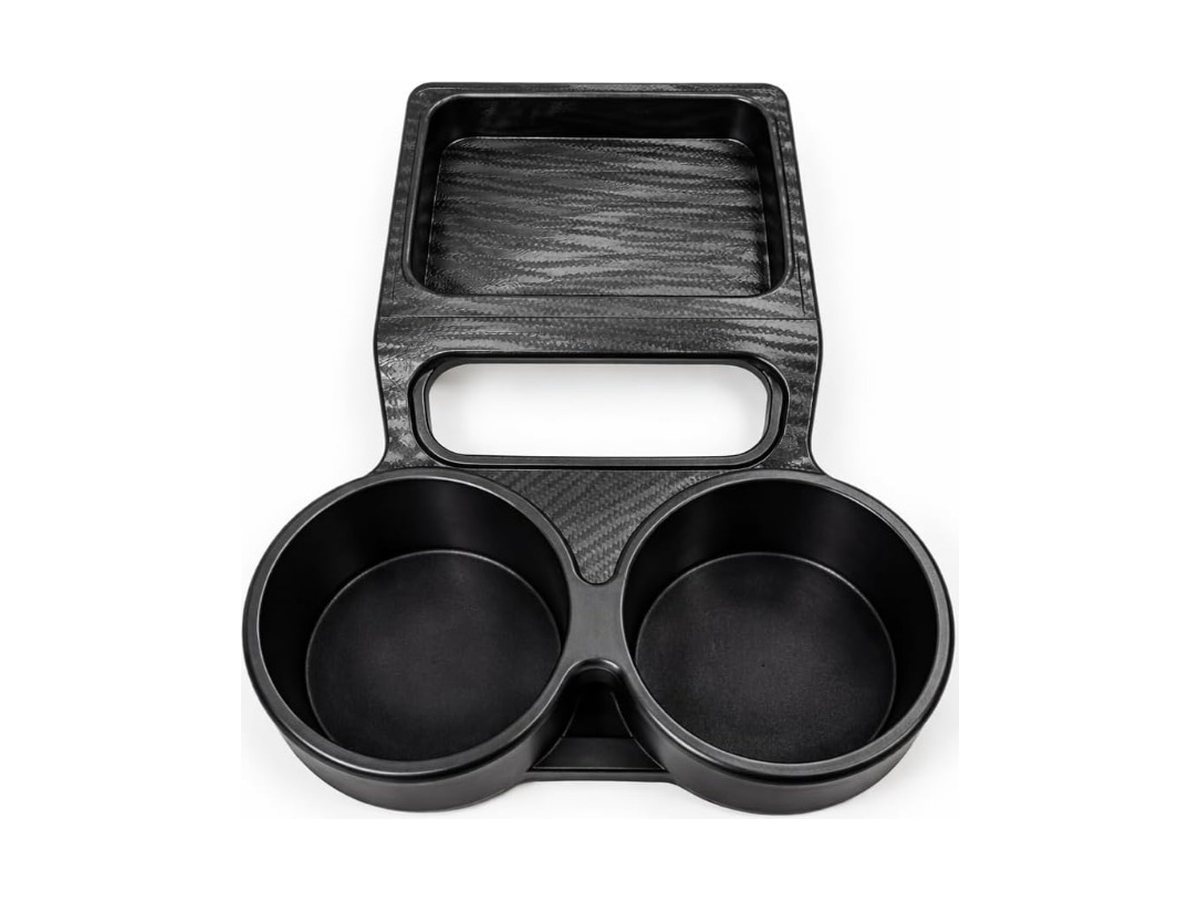
Centre console cup holder and tray 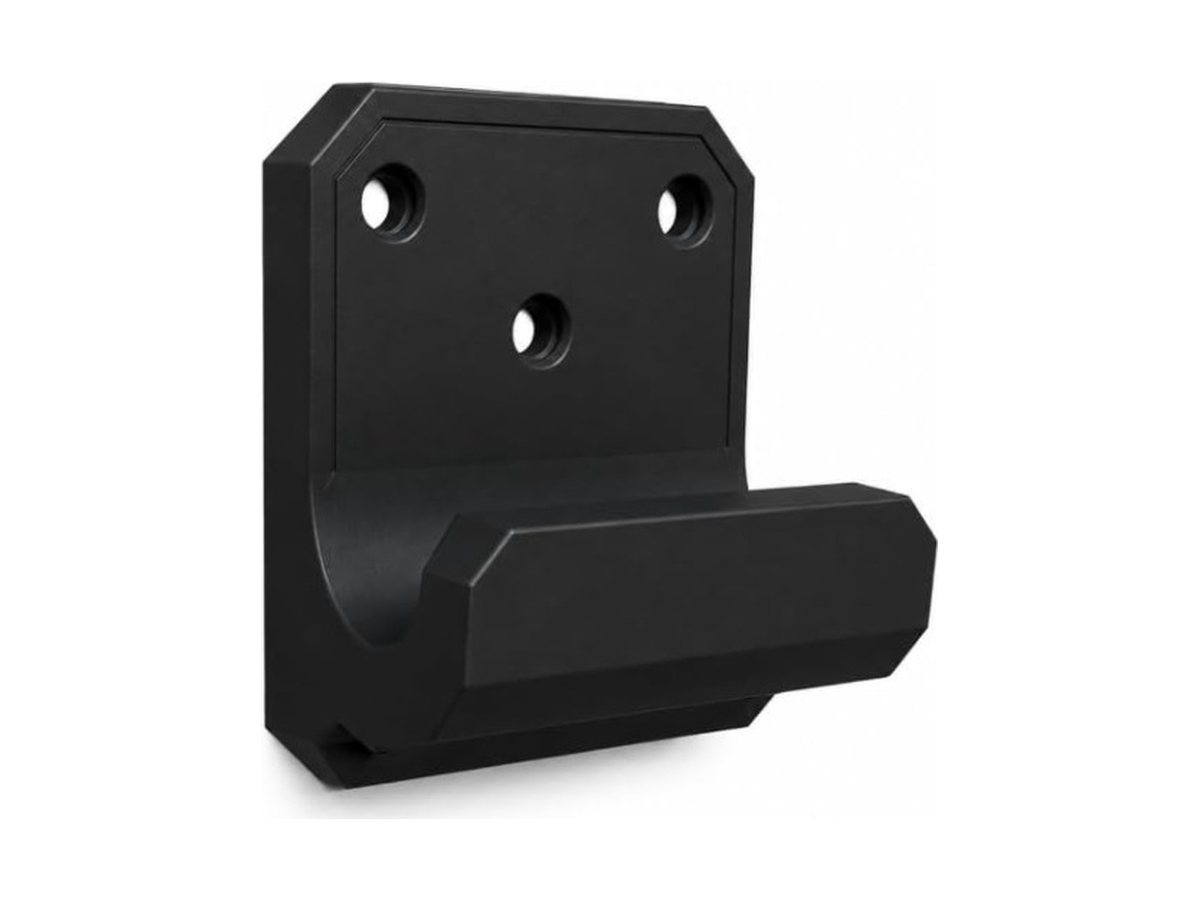
Wall mounting bracket 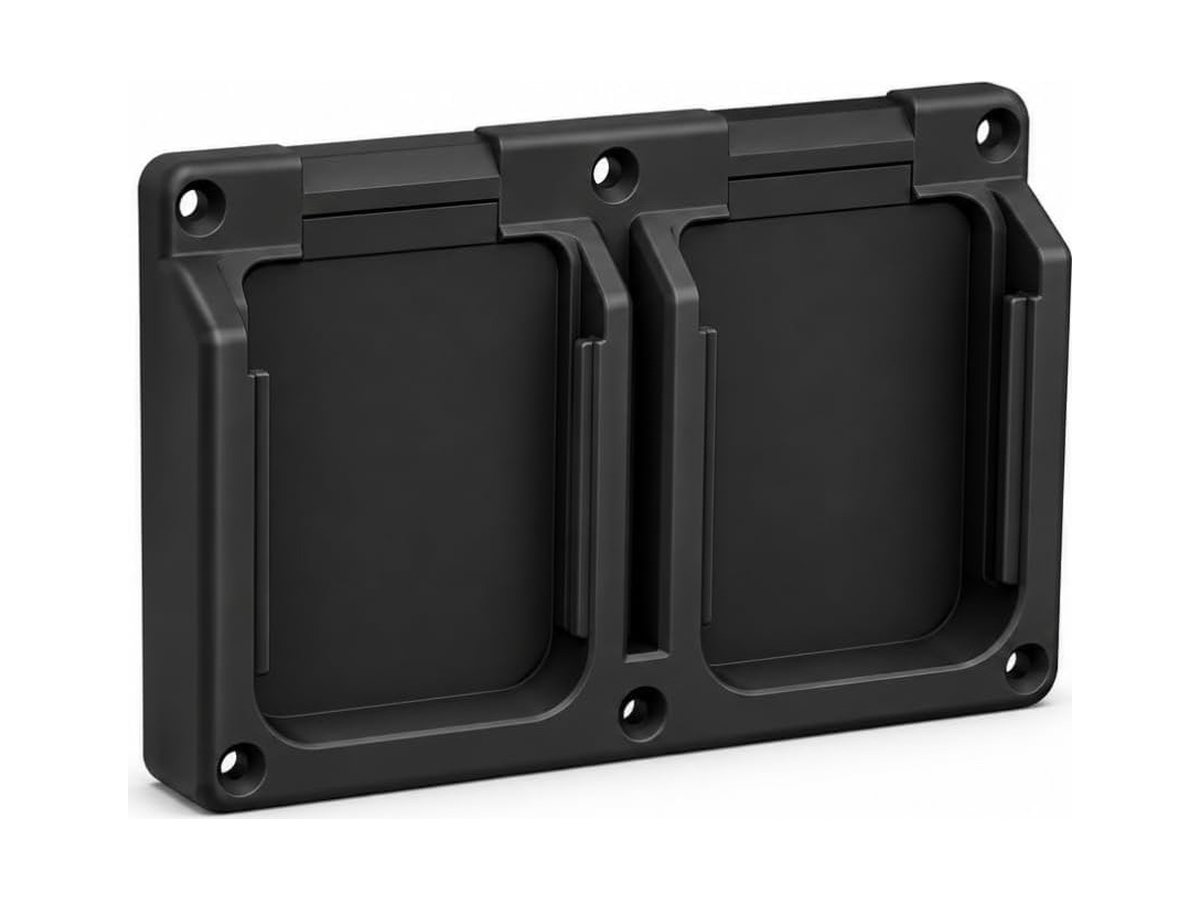
Twin mounting frame 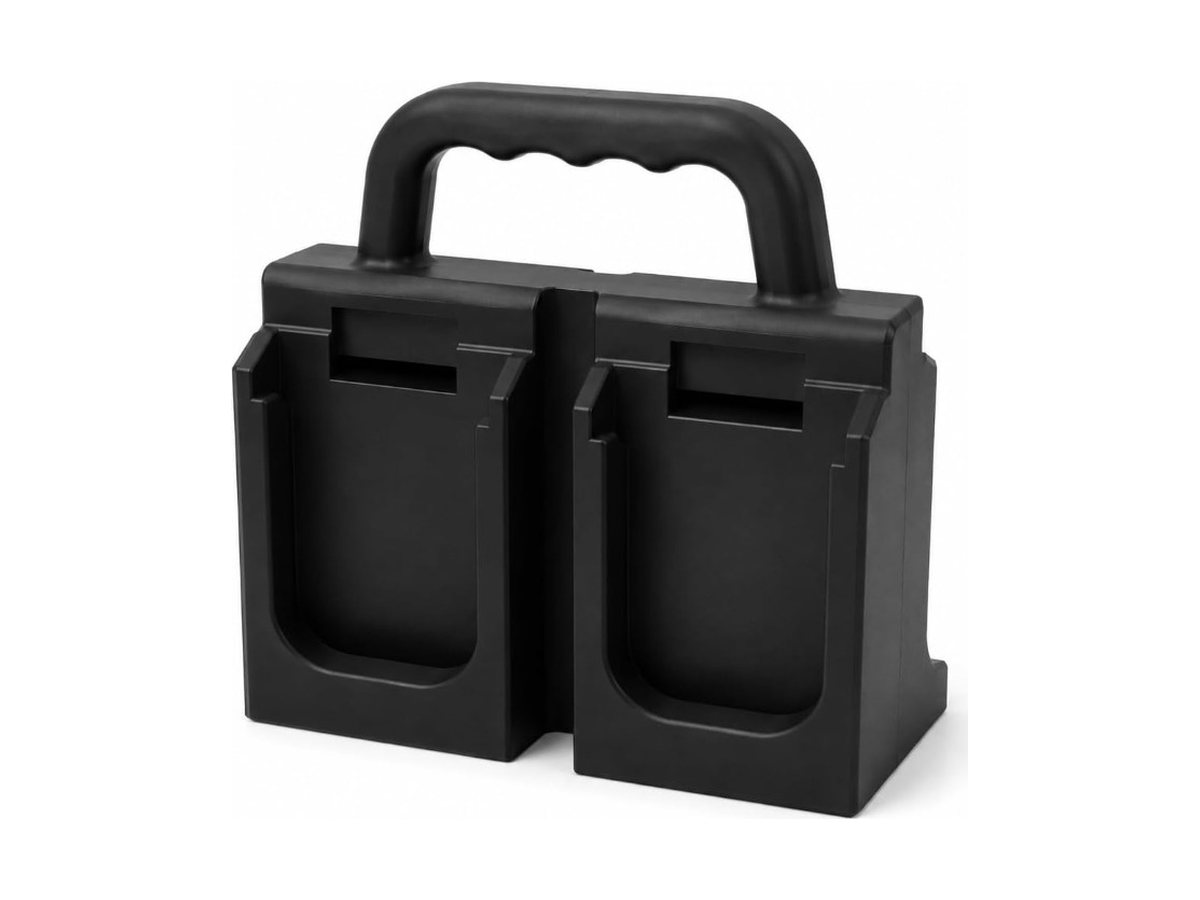
Twin battery holder with carry handle 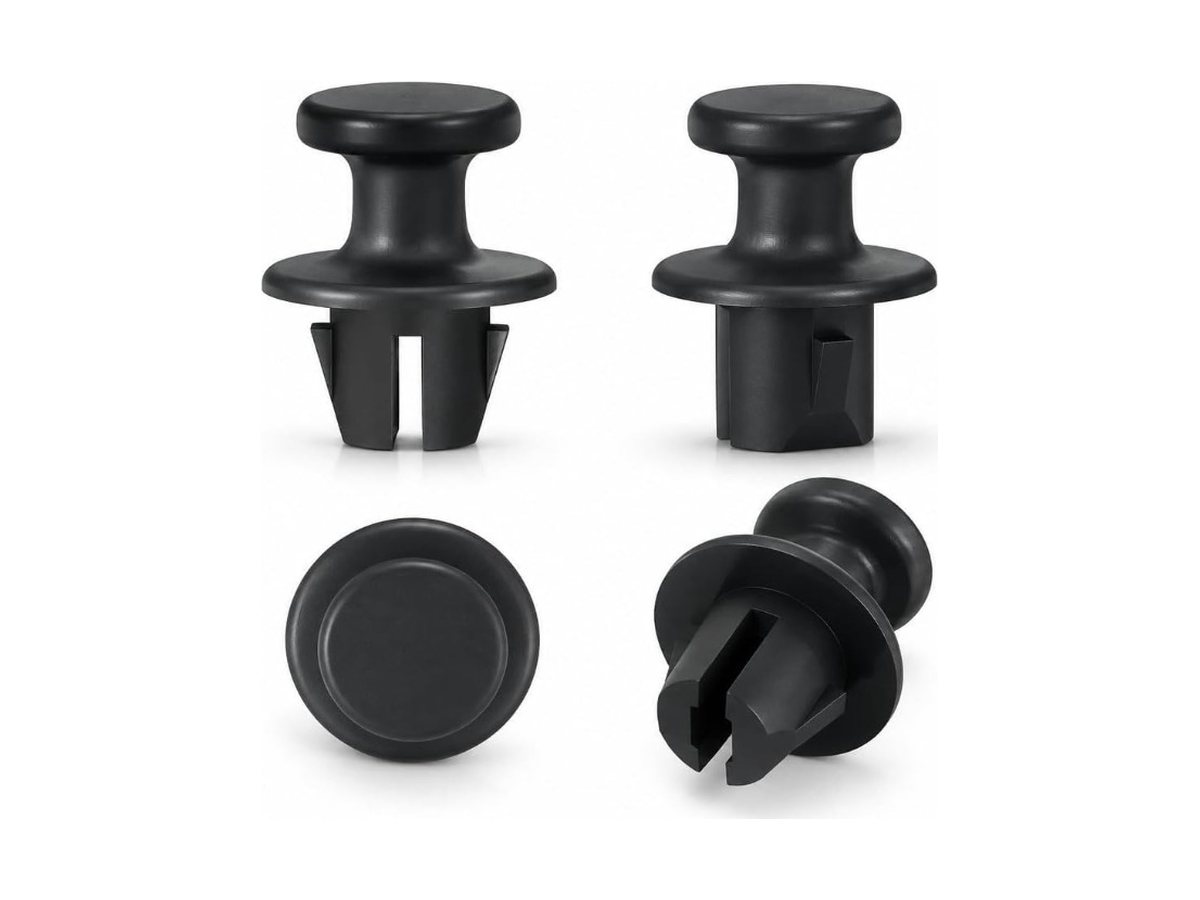
Replacement trim clips 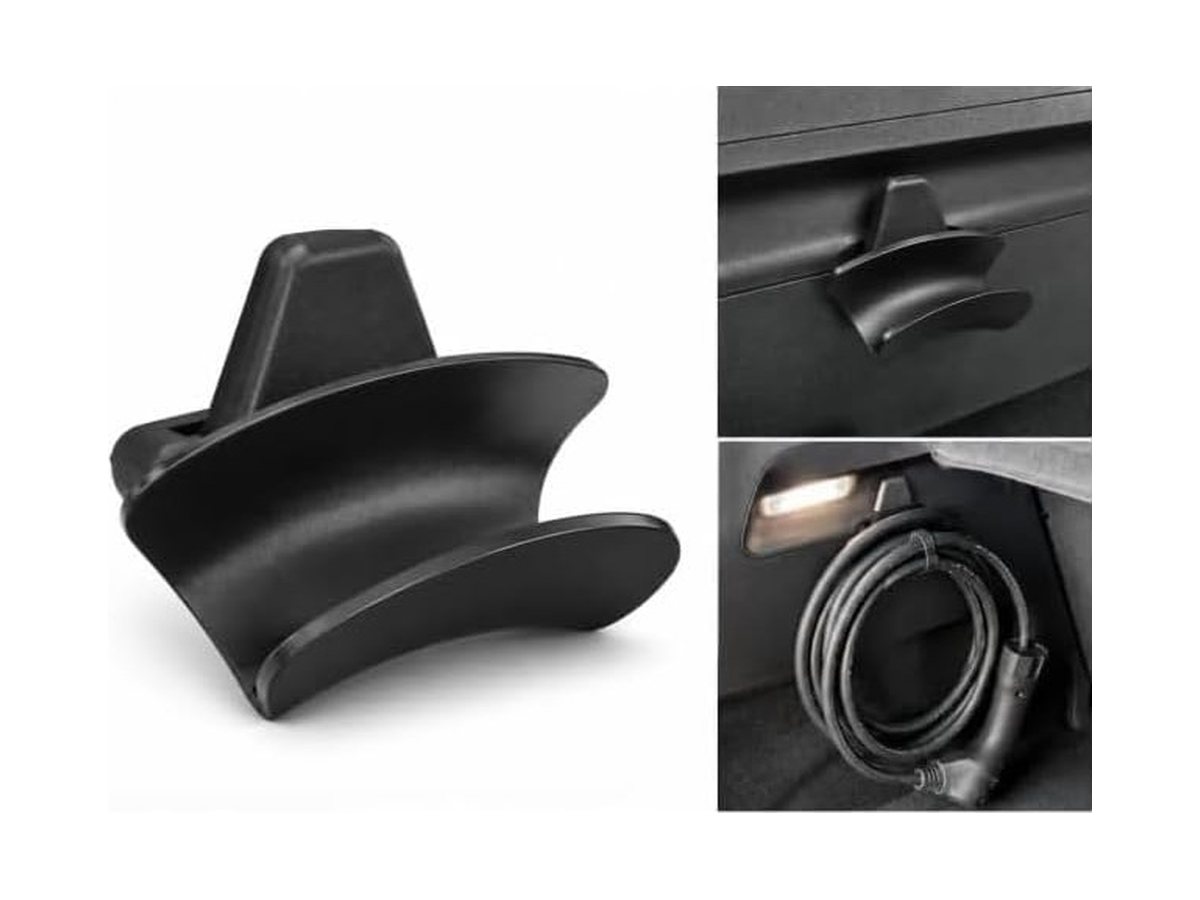
EV charging cable hook for a car boot 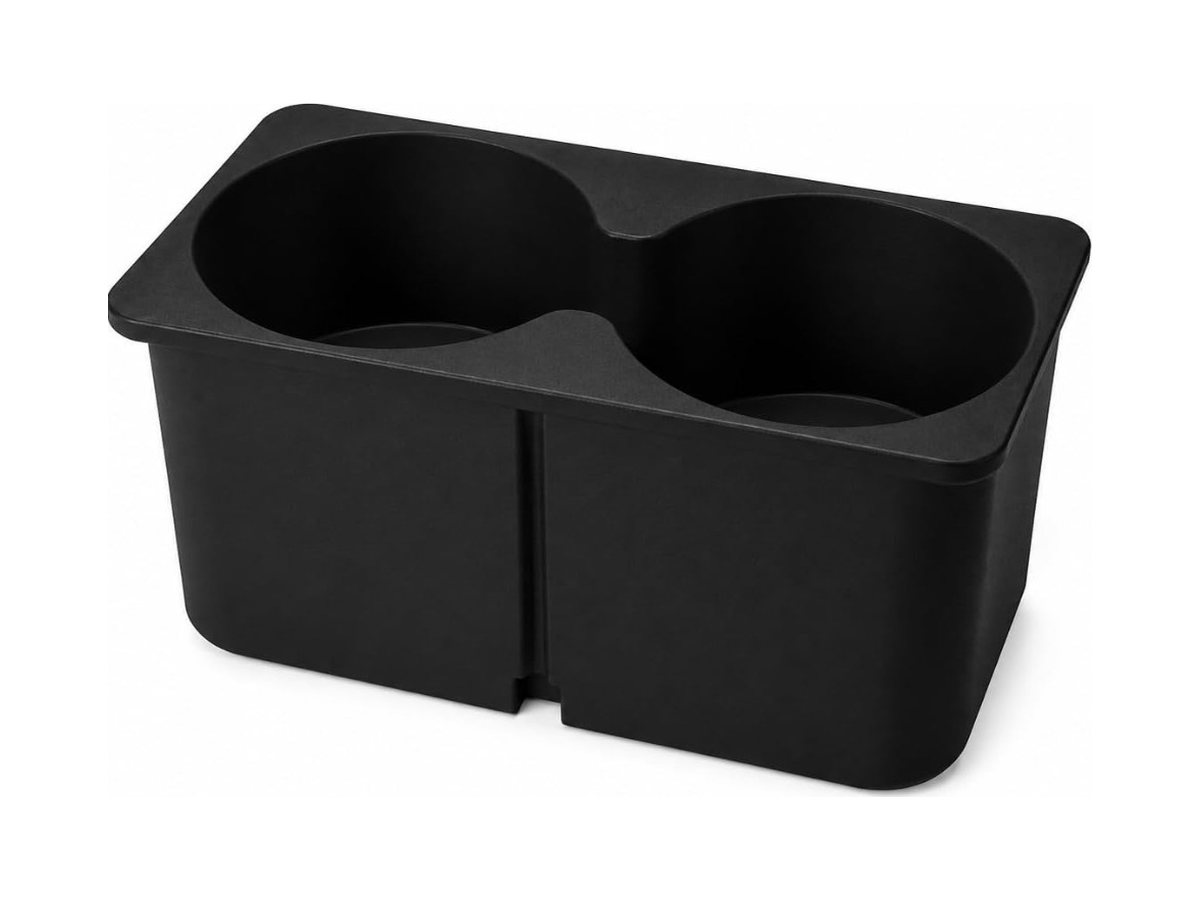
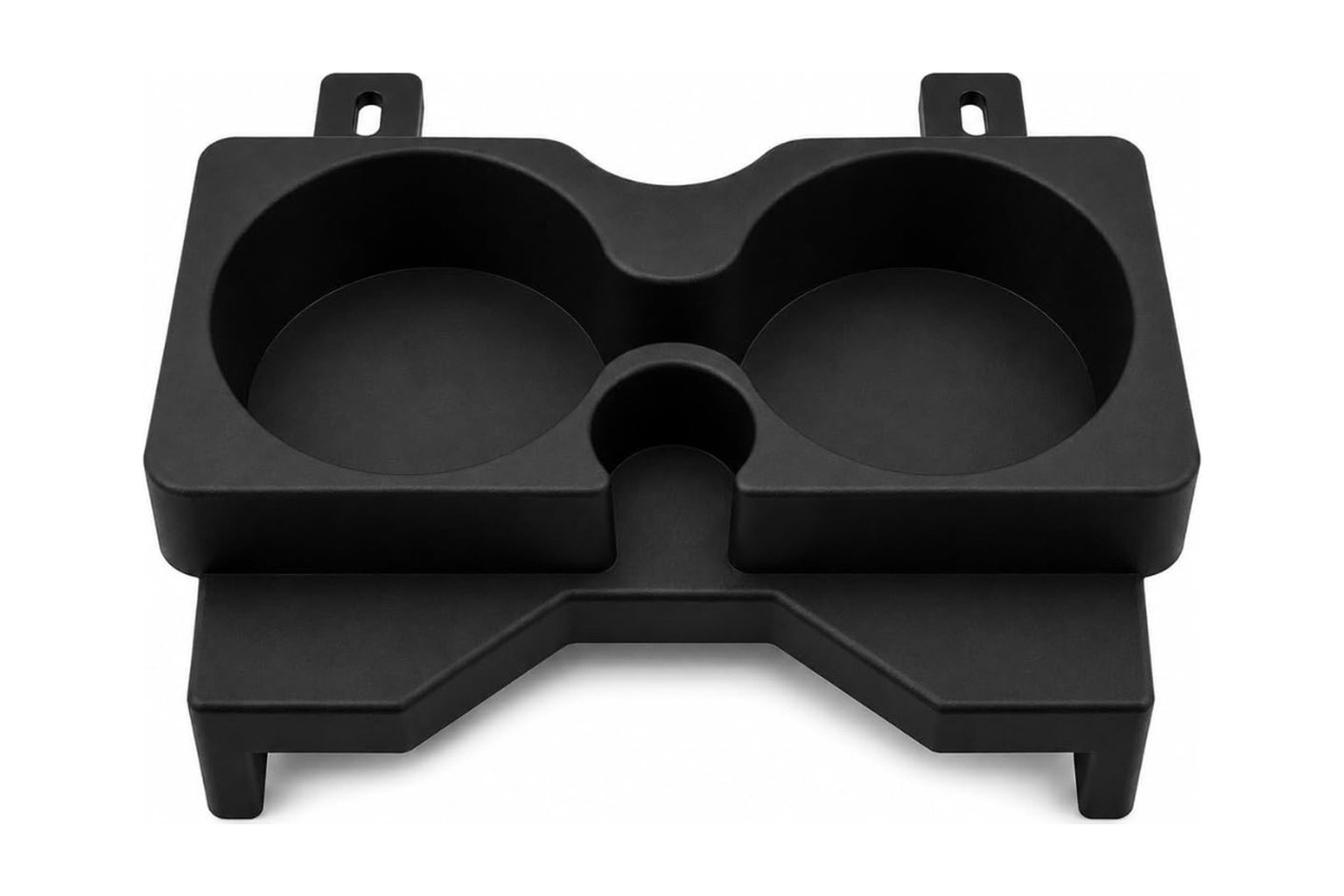
Twin cup holder insert 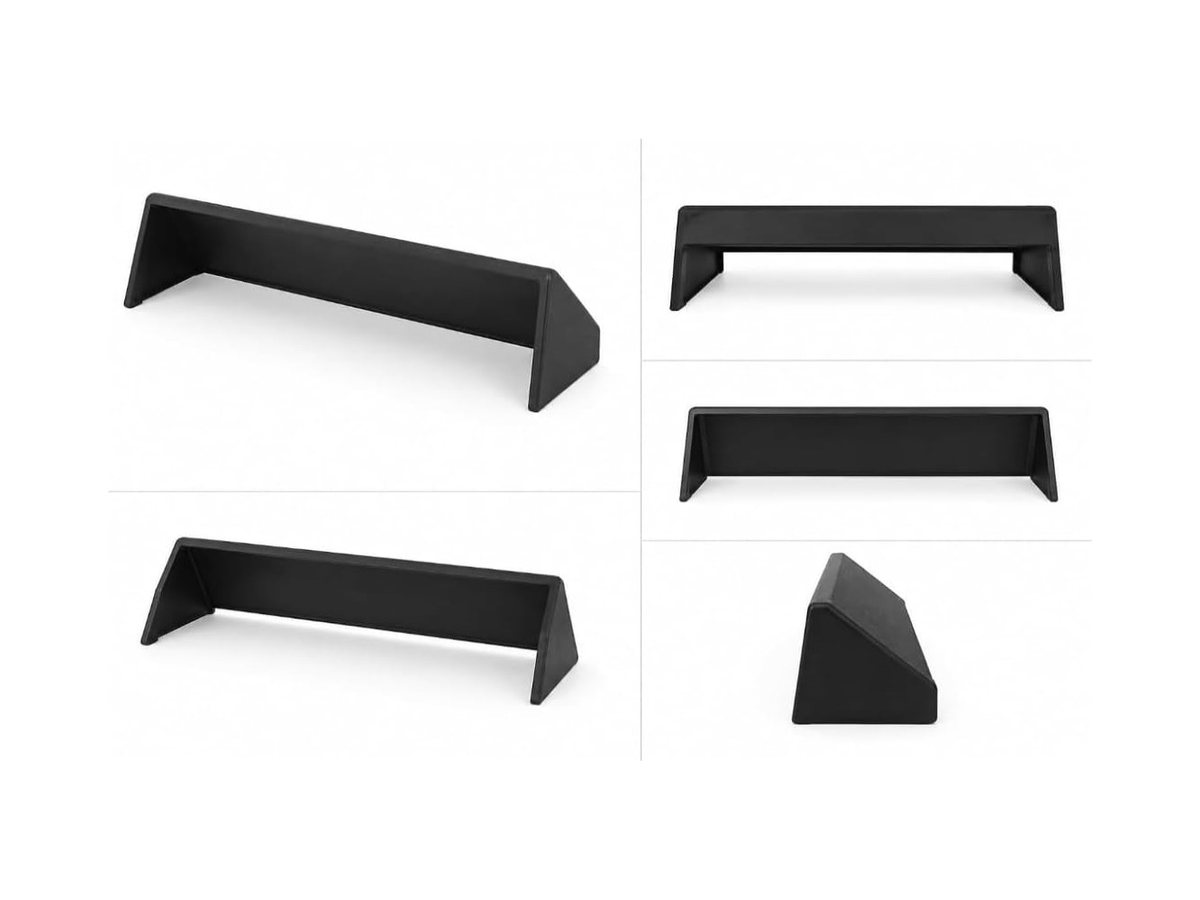
Angled stand
What to send us
You do not need a 3D file. Any one of these is enough to get started.
%22%3E%3Crect width=%223.2%22 height=%229%22 fill=%22%23111%22/%3E%3C/pattern%3E%3C/defs%3E%3Cg fill=%22none%22 stroke=%22%23111%22 stroke-width=%225%22 stroke-linecap=%22round%22 stroke-linejoin=%22round%22%3E%3Cpath d=%22M50 18h64l28 28v128H50Z%22/%3E%3Cpath d=%22M114 18v28h28%22 stroke-width=%224%22/%3E%3Cpath stroke-width=%224.5%22 d=%22M96 76L122 90.3L96 104.6L70 90.3ZM70 90.3v26L96 130.6L122 116.3v-26M96 104.6v26%22/%3E%3Cpath d=%22M96 76L122 90.3L96 104.6L70 90.3Z%22 fill=%22url(%23h)%22 stroke=%22none%22 fill-rule=%22nonzero%22/%3E%3Cpath stroke-width=%223.5%22 d=%22M166 30v12M160 36h12%22/%3E%3Cpath stroke-width=%223.5%22 d=%22M30 56v8M26 60h8%22/%3E%3C/g%3E%3C/svg%3E) A 3D fileSTL, STEP, OBJ or 3MF
%22%3E%3Crect width=%223.2%22 height=%229%22 fill=%22%23111%22/%3E%3C/pattern%3E%3C/defs%3E%3Cg fill=%22none%22 stroke=%22%23111%22 stroke-width=%225%22 stroke-linecap=%22round%22 stroke-linejoin=%22round%22%3E%3Crect x=%2254%22 y=%2216%22 width=%2284%22 height=%22160%22 rx=%2214%22/%3E%3Cpath d=%22M64 34h64v118H64Z%22 stroke-width=%223.5%22/%3E%3Cpath d=%22M86 166h20%22 stroke-width=%224%22/%3E%3Cpath d=%22M72 54v-10h10M120 54v-10h-10M72 132v10h10M120 132v10h-10%22 stroke-width=%223.5%22/%3E%3Cpath d=%22M82 62h28v26l-6 5-8-5-8 6-6-4Z%22 fill=%22url(%23h)%22 stroke=%22none%22 fill-rule=%22nonzero%22/%3E%3Cpath d=%22M82 62h28v26l-6 5-8-5-8 6-6-4Z%22 stroke-width=%224%22/%3E%3Cg transform=%22rotate(10 96 112)%22%3E%3Cpath d=%22M82 104l6-3 8 5 8-6 6 4v20H82Z%22 stroke-width=%224%22/%3E%3C/g%3E%3Cpath stroke-width=%223.5%22 d=%22M166 28v12M160 34h12%22/%3E%3Cpath stroke-width=%223.5%22 d=%22M28 156v8M24 160h8%22/%3E%3C/g%3E%3C/svg%3E) A photo of the broken partTwo or three angles, with a ruler or coin for scale
%22%3E%3Crect width=%223.2%22 height=%229%22 fill=%22%23111%22/%3E%3C/pattern%3E%3C/defs%3E%3Cg fill=%22none%22 stroke=%22%23111%22 stroke-width=%225%22 stroke-linecap=%22round%22 stroke-linejoin=%22round%22%3E%3Cpath d=%22M18 70h158v14H18Z%22/%3E%3Cpath d=%22M28 84v56l14-12V84M28 70V50l10 10v10%22/%3E%3Cpath d=%22M74 60h52v40H74Z%22/%3E%3Cpath d=%22M82 68h30v16H82Z%22 fill=%22url(%23h)%22 stroke=%22none%22 fill-rule=%22nonzero%22/%3E%3Cpath d=%22M82 68h30v16H82Z%22 stroke-width=%223.5%22/%3E%3Cpath d=%22M74 100v36l14-12v-24%22/%3E%3Ccircle cx=%22118%22 cy=%2292%22 r=%223.5%22 fill=%22%23111%22 stroke=%22none%22/%3E%3Cpath d=%22M136 70v7M146 70v7M156 70v7M166 70v7%22 stroke-width=%223%22/%3E%3Cpath stroke-width=%223.5%22 d=%22M164 26v12M158 32h12%22/%3E%3Cpath stroke-width=%223.5%22 d=%22M160 148v8M156 152h8%22/%3E%3C/g%3E%3C/svg%3E) Measurements, or the part itselfRough sizes are a fine place to start
%22%3E%3Crect width=%223.2%22 height=%229%22 fill=%22%23111%22/%3E%3C/pattern%3E%3C/defs%3E%3Cg fill=%22none%22 stroke=%22%23111%22 stroke-width=%225%22 stroke-linecap=%22round%22 stroke-linejoin=%22round%22%3E%3Cpath d=%22M38 30h116q14 0 14 14v66q0 14-14 14H76l-28 28v-28H38q-14 0-14-14V44q0-14 14-14Z%22/%3E%3Cpath d=%22M70 48h16v34h36v16H70ZM77.99 62a0.01 0.01 0 1 0 0.02 0a0.01 0.01 0 1 0 -0.02 0Z%22 fill=%22url(%23h)%22 stroke=%22none%22 fill-rule=%22nonzero%22/%3E%3Cpath d=%22M70 48h16v34h36v16H70Z%22 stroke-width=%224%22/%3E%3Cpath d=%22M136 56h10M130 72h16%22 stroke-width=%223.5%22/%3E%3Cpath stroke-width=%223.5%22 d=%22M170 155v10M165 160h10%22/%3E%3Cpath stroke-width=%223.5%22 d=%22M176 16v8M172 20h8%22/%3E%3C/g%3E%3C/svg%3E) Or just describe itWhat it is, what it fits and what it has to do
Why people call us
The problems we get asked to solve
The part is discontinued
Or only sold as part of an expensive assembly. If it is plastic and you still have the old one, it can often be printed again.
No 3D file, and no idea how to get one
You do not need one. Send a photo or the part itself and we will measure it and draw it up.
Not sure it can even be printed
Ask first. We will tell you whether it will be strong enough, or whether printing is the wrong answer.
Too few for a mould, too many to make by hand
Small batches print with no tooling cost, and every part comes from the same file.
A jig that would cost a fortune to machine
Drill guides, spacers and holding fixtures can be printed without tying up a machinist or a machine.
Online services that print whatever you send
We look at the file before it is printed and tell you if a wall is too thin or a clip is going to snap.
Waiting weeks for a part
You get a realistic timescale with the quote, before anything is printed.
The kit and the material
What your part is printed on
- ProcessFDM
- MaterialPETG and PLA as standard; other filaments available by arrangement
FDM 3D Printing in Cambridge, Focused on PETG and PLA
3D Printing Cambridge offers FDM (Fused Deposition Modelling) 3D printing using PETG and PLA filament as standard, with other filaments available by arrangement. We do not offer a long list of processes. We work with FDM, and we have made that deliberate choice. When choosing a printing provider, it is worth asking whether the people handling your job understand the material and process thoroughly. If you need a functional part printed reliably and delivered to an address in Cambridge or nearby, you are in the right place.
What Is FDM 3D Printing?
FDM is the most widely used 3D printing process for practical, functional parts. A spool of filament is fed through a heated nozzle, which deposits material layer by layer to build up your object. The process is well-suited to producing strong, dimensionally accurate parts in a range of sizes. It is not a novelty - engineers, product designers, small businesses and individuals use FDM printing every day to solve real problems: prototyping components, producing replacement parts, making custom brackets, enclosures and tools.
Because the layer-by-layer process is visible in the finished part to some degree, FDM is best understood as a manufacturing method rather than a fine-detail sculpture technique. For most functional applications, the layer lines are irrelevant to performance. Where surface finish matters for your specific use case, this is worth discussing before the job starts.
Why PETG?
PETG (Polyethylene Terephthalate Glycol) is one of the most capable and reliable materials available for FDM printing. Compared to basic PLA, it offers meaningfully better performance across several areas that matter for real-world use:
- Strength and durability: PETG is tougher and more impact-resistant than PLA, making it suitable for parts that will be handled, fitted or put under mechanical load.
- Chemical resistance: PETG resists a range of common chemicals, oils and cleaning products, which matters for parts used in workshops, kitchens, laboratories or outdoor environments.
- Moderate heat resistance: PETG handles temperatures up to around 70-80 degrees Celsius without distorting, which is sufficient for most everyday functional applications - though it is not designed for high-heat environments such as engine bays.
- Slight flexibility: Unlike more brittle materials, PETG has a degree of flex that helps parts survive knocks and minor impacts rather than cracking outright.
- Low moisture sensitivity: PETG is less hygroscopic than some other filaments, which means it holds its properties better over time in normal storage and use conditions.
We recommend PETG for the majority of functional printing work. If your project requires a different material, we will tell you honestly at the point of enquiry whether we can help.
What Can You Use PETG FDM Prints For?
PETG printed parts are used across a wide range of applications. Common uses include:
- Functional prototypes and proof-of-concept models
- Replacement parts for machinery, appliances and equipment
- Custom brackets, mounts and fixtures
- Enclosures for electronics projects
- Jigs and guides for workshop or production use
- Hobby and scale modelling components that need structural strength
- Custom handles, grips and tool attachments
- Parts for outdoor or damp environments where chemical resistance is useful
If you are unsure whether PETG FDM printing suits your specific project, get in touch and describe what you need. We would rather spend a few minutes advising you than have you place an order for something that is not the right fit.
Not Got a 3D Model Yet?
To print a part, we need a 3D model file - typically in STL or STEP format. If you already have a file, you can send it straight to us. If you do not have a 3D model yet, you will need one created before printing can begin. 3D modelling is a separate service from printing, and we are transparent about that distinction.
If you have a drawing, a sketch, dimensions, or a physical object you need reproduced, a 3D modeller or CAD designer can produce the file for you. We are happy to point you in the right direction if you are not sure where to start. A well-made model makes a significant difference to the quality of the finished print - files with errors such as non-manifold surfaces, missing faces or incorrect scale are a common cause of print failures or poor results.
When you submit a file to us, we check it before processing your order. If we spot issues, we contact you before any printing takes place.
How to Order Your 3D Prints
Ordering is straightforward. Send your file to us by email at [email protected], or call us on 01223 857077 to talk through your requirements first. Include as much detail as you can about the intended use of the part, the quantity you need and any specific requirements around dimensions or tolerances. The more context you give us, the better we can advise on print orientation and settings before we start.
Once we have reviewed your file and confirmed the details with you, we will confirm the cost and timescale. We do not have a fully automated online ordering portal - we handle enquiries directly so that each job gets proper attention rather than being pushed through a system with no human check.
How Much Does FDM 3D Printing Cost?
Pricing for FDM prints varies depending on the size of the part, the amount of material used, infill density, the number of parts in an order and the print time involved. As a general indication, small single parts in PETG typically cost from around £5-£15 for straightforward items, while larger or more complex parts may range from £20 upwards. Multi-part orders often bring the per-unit cost down. We price each job individually based on the actual file and requirements rather than applying a blanket rate.
If you send us your file with a brief description of what you need, we can give you a clear figure before you commit to anything.
How Long Will It Take to Get Your Parts?
Print time depends on the size and complexity of the part. A small, simple object may take an hour or two to print. Larger parts or those requiring fine layer heights and significant support structures can take considerably longer. If you have a deadline, tell us when you get in touch and we will let you know whether we can meet it.
We will confirm delivery details when your order is confirmed.
Where to Get 3D Printing Done in Cambridge?
There are a handful of online print services that will accept files and post parts to Cambridge, but dealing with a local service has real advantages. You can speak to someone directly, and there is no ambiguity about who to contact if something needs to be discussed. 3D Printing Cambridge is based locally and serves customers across Cambridge and the wider Cambridgeshire area, including nearby towns and villages.
If you have tried uploading a file to an automated online service and received a confusing quote, or if a previous print did not come out as expected, a direct conversation often resolves things quickly. Call us on 01223 857077 or email [email protected] and we will give you a straightforward answer.
What Makes a Good FDM Print?
Several factors affect the quality of a finished FDM part, and understanding them helps you get the best result from your order. Layer height determines how fine the surface detail appears - lower layer heights (such as 0.1mm) produce smoother surfaces but take longer to print; 0.2mm is a common standard for functional parts. Infill percentage affects the internal density and strength of the part; most structural parts benefit from 30-50% infill, though some applications call for higher.
Print orientation also matters significantly. A part printed in the wrong orientation may be weaker along the layer lines than the design intends, or may require extensive supports that affect surface quality on critical faces. We consider orientation for each job rather than defaulting to whatever the slicer software suggests first. Wall count (the number of perimeter passes) affects strength and surface finish - for PETG parts that will take mechanical load, a minimum of three or four walls is usually appropriate.
These decisions are not made automatically by uploading a file to a machine. They require judgement, and that is part of what you are paying for when you use a specialist local service rather than a fully automated platform.
Ready to Order 3D Prints in Cambridge?
Send your file and a description of what you need to [email protected], or call us on 01223 857077 to discuss your project before you send anything. We cover Cambridge and the surrounding Cambridgeshire area, including Over and nearby locations. We will review your file, give you a clear price and confirm the timescale before any work begins.
How it works
From broken part to new part
Send what you have
A file, a photo, some measurements or just a description. Tell us how many you need.
A straight answer and a quote
Whether it can be printed, whether it will be strong enough, and a written price before anything is made.
Drawn up and printed
With no file, we model it from your part or photo. Then it is printed and checked.
Collected or posted
Fit it and try it. The file is kept, so a tweak or a repeat order is quick.
Honest limits
When printing is the wrong answer
We would rather tell you now than print something that will not do the job. These are better made another way.
- Parts that need machined accuracyVery tight tolerances are a machining job.
- Structural or load-bearing partsIn vehicles or in buildings.
- Food-contact, medical or safety-critical partsPrinted plastic is the wrong material for these.
- Volumes in the thousandsAt that scale a mould tool works out cheaper.
Feedback
What Cambridge customers say
Saved me around £150. Shipping was prompt and the part works well.
Fantastic company! They had exactly what I was looking for with exceptional shipping time and everything was delivered in more that suitable packaging over very happy and always on the lookout to purchase more! They made me a bespoke bracket for my central heating control exactly as I imagined. The options are limitless if you don’t ask you don’t get and I got exactly what I was looking for!
3DGuru printed an enclosure for an electronics prototype, and they provided exceptional service. I uploaded an existing STL model, which they took the initiative to optimise for printing before producing the final parts. They also proactively contacted me about an element in the model I designed that was too thin to print correctly and even offered to amend it. The owner is friendly and attentive, and the service was fast and competitive with larger regional/national printing agencies. I picked up the finished parts in person and had an engaging, very technically geeky discussion before leaving! They are clearly passionate about 3D printing in general and about providing good service. I will absolutely be using 3DGuru again in the future.
Fantastic service from start to finish. Professional, friendly and really responsive throughout the whole process. They helped me redesign my idea and turn it into a finished 3D printed product, keeping me updated along the way. I’m really pleased with the final result and wouldn’t hesitate to use 3D Guru again. Highly recommend!
Wow, just received a bread board made by 3dgure. This is a surprise 30th wedding anniversary gift for my wife and the result is absolutely brilliant. The detail is far better than I imagined it would be, I can actually tell who the subjects are on the board. Placed an order and it was done within 3 days and the price is spot on too. I have attached photos of the items which do not do them justice, my photography skills are not perfect, the finished items look far better in real life. Also had made a mobile phone holder which holds both my mobiles, I can charge them without having to leave them lying around on my desk and has the added bonus of having my name on it too. Extremely happy with the finished result. Would not hesitate to use 3dguru again and fully recommend.
Areas covered
3D printing across Cambridge and the surrounding area
Based in Cambridge. Parts can be collected or posted, so being further away is rarely a problem. Call and ask.
About us
3D Printing Cambridge
3D Printing Cambridge provides FDM 3D printing services to customers across Cambridge and the surrounding area. We work with PETG and PLA as our standard materials, and we focus on doing that well rather than spreading ourselves thin across every process and material under the sun.
PETG is a practical, capable material that suits a wide range of real-world applications - from functional mechanical parts and enclosures to replacement components and custom fixtures. It offers a good balance of strength, slight flexibility and chemical resistance that makes it genuinely useful, not just a demo material. We chose to specialise in it because we believe knowing your material inside out produces better prints than having a long menu of options handled inconsistently.
Questions
3D printing questions, answered plainly
What should I budget for a 3D printed replacement part in Cambridge?
How is rapid prototyping with FDM priced in Cambridge?
What should I budget for a 3D printed car part in Cambridge?
What am I likely to pay to get a one-off jig or fixture printed in Cambridge?
What should I budget for a custom 3D printed bracket in Cambridge?
What am I likely to pay for 3D printed parts for my business in Cambridge?
What should I budget for getting a file 3D printed in Cambridge?
Can you print a replacement if I only have the broken piece and no drawings?
Advice
Latest from the blog
Choosing a 3D Printing Service for Your Workshop: A Practical Checklist
A practical checklist for homeowners, van owners and small businesses in Cambridge choosing a local 3D printing service, covering materials, file requirements, batch sizing and what questions to ask before ordering.
Read more 26 October 2026PETG vs PLA for Van and Vehicle Interior Fittings: What to Consider
Choosing between PETG and PLA for a 3D printed van or vehicle interior fitting can determine whether the part lasts or warps. This guide covers what matters, why PETG is the better choice for most vehicle interiors, and how to get a replacement made locally in Cambridge even without a 3D file.
Read more 26 October 2026PETG vs PLA for Van and Vehicle Interior Fittings: What to Consider
Choosing between PETG and PLA for a van or vehicle interior fitting is not just a technical question - it affects whether the part lasts. Here is what to consider before you order.
Read moreA part you cannot buy any more?
Call, or send the form with a photo or a file. We will tell you straight whether printing is the right answer.